The Modern Personal Finance Playbook: Building Wealth and Security in 2026
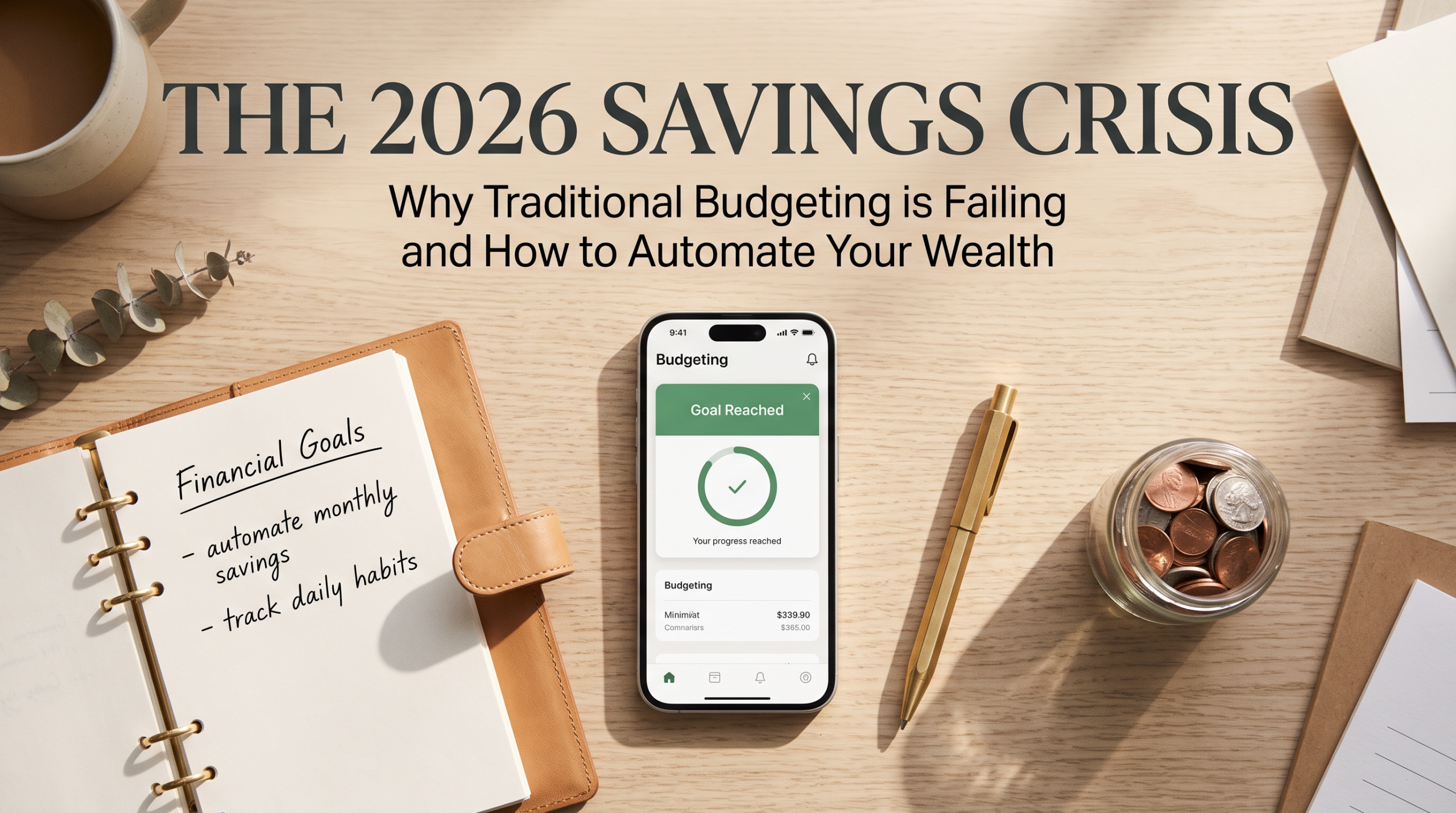
For decades, the standard advice for personal finance was rigid and often guilt-inducing. You were told to cut out your daily coffee, follow the strict 50/30/20 budgeting rule, and sacrifice your present happiness for a distant, hypothetical future. While the core principles of spending less than you earn remain true, the economic reality of 2026 demands a more flexible, supportive, and strategic approach to money management.
The modern personal finance playbook is not about deprivation; it is about intentionality. It is about building a resilient financial infrastructure that protects you from unexpected shocks, outpaces inflation, and funds the life you actually want to live today, not just in retirement.
Whether you are trying to escape the paycheck-to-paycheck cycle or looking to optimize a growing income, the strategies that work in 2026 are rooted in behavioral psychology and data-backed financial mechanics. Here is your comprehensive guide to mastering your money in the current economic landscape.
The Emergency Fund Reality Check
An emergency fund is the foundational pillar of personal finance. It is the buffer that prevents a flat tire, a sudden medical bill, or a temporary job loss from turning into a high-interest debt crisis. Yet, despite its importance, a startling number of people remain financially vulnerable.
Recent data reveals that only about 35% to 37% of Americans have enough savings to comfortably cover a $1,000 emergency expense [[7]]. For many, a single unexpected cost forces them to rely on credit cards, initiating a destructive cycle of compounding interest that can take years to escape.
The Modern Fix: Ditch the overwhelming goal of saving “six months of expenses” right out of the gate. That number paralyzes people into inaction. Instead, adopt a phased approach:
- Phase 1: The $1,000 Starter Fund. Make this your absolute first financial priority. Sell unused items, pick up a temporary side gig, or aggressively trim discretionary spending for 30 days until you hit this number. This small cushion stops the bleeding when minor emergencies occur.
- Phase 2: One Month of Core Expenses. Once high-interest debt is under control, expand the fund to cover one full month of your absolute non-negotiables (rent, utilities, groceries, minimum debt payments).
- Phase 3: The 3-to-6 Month Target. Gradually build this up over time. If you have a highly stable job and dual income, three months may suffice. If you are a freelancer, a single-income household, or work in a volatile industry, aim for six months or more.
The High-Yield Savings Account (HYSA) Revolution
If your emergency fund or short-term savings are sitting in a traditional checking or savings account at a major brick-and-mortar bank, you are actively losing money. The national average interest rate for traditional savings accounts hovers around a negligible 0.01% to 0.05%, which is vastly outpaced by inflation.
In 2026, the high-yield savings account (HYSA) is no longer a niche financial hack; it is a mandatory tool for anyone who wants their cash to work for them. The online banking sector has become incredibly competitive, with top digital banks and fintech companies offering interest rates that are often ten times higher than the national average provided by legacy institutions [[17]].
The Modern Fix: Open a HYSA at a reputable, FDIC-insured online bank (such as Ally, Marcus, SoFi, or Capital One). The process takes less than ten minutes. Set up an automatic, recurring transfer from your primary checking account to your HYSA on every payday. Because the money is held at a different institution, it creates a slight friction that prevents impulse spending, while simultaneously earning you a meaningful, risk-free return on your idle cash.
The Silent Wealth Killer: Lifestyle Creep
You finally got a promotion. Your salary increased by 15%. You feel financially secure, so you upgrade your apartment, lease a nicer car, and start ordering premium takeout more frequently. A year later, despite making significantly more money, you have no more savings than you did before.
This is lifestyle creep (also known as lifestyle inflation), and it is the primary reason many high-income earners fail to build lasting wealth. It is the gradual, often unconscious increase in spending that occurs as your income rises [[23]]. Inflation accelerates this phenomenon, as the rising cost of living quickly eats away at any extra income you bring in, making it feel like you “need” to spend more just to maintain your baseline [[27]].
The danger of lifestyle creep is that it compounds in reverse. Nearly 24% of individuals fall victim to this trap, quietly sacrificing their long-term financial freedom for short-term upgrades that quickly become the new normal [[30]].
The Modern Fix: Implement the “50% Rule” for windfalls and raises. Whenever you receive a salary increase, a tax refund, or a bonus, commit to saving or investing 50% of that new money before you adjust your lifestyle. You can use the remaining 50% to enjoy the fruits of your labor guilt-free. This ensures that your standard of living improves over time, but your wealth-building engine accelerates even faster.
Automate Your Financial Autopilot
The greatest threat to your financial plan is not a market crash or an economic recession; it is human psychology. We are biologically wired to prioritize immediate gratification over long-term security. Willpower is a finite resource, and if you have to manually decide to save money or pay off debt every single month, you will eventually fail.
The Modern Fix: Build a “Set It and Forget It” financial infrastructure.
- Direct Deposit Splitting: Ask your employer to split your paycheck. Have 10% to 20% routed directly to your investment or HYSA account, and the remainder to your checking account. You cannot spend what you never see.
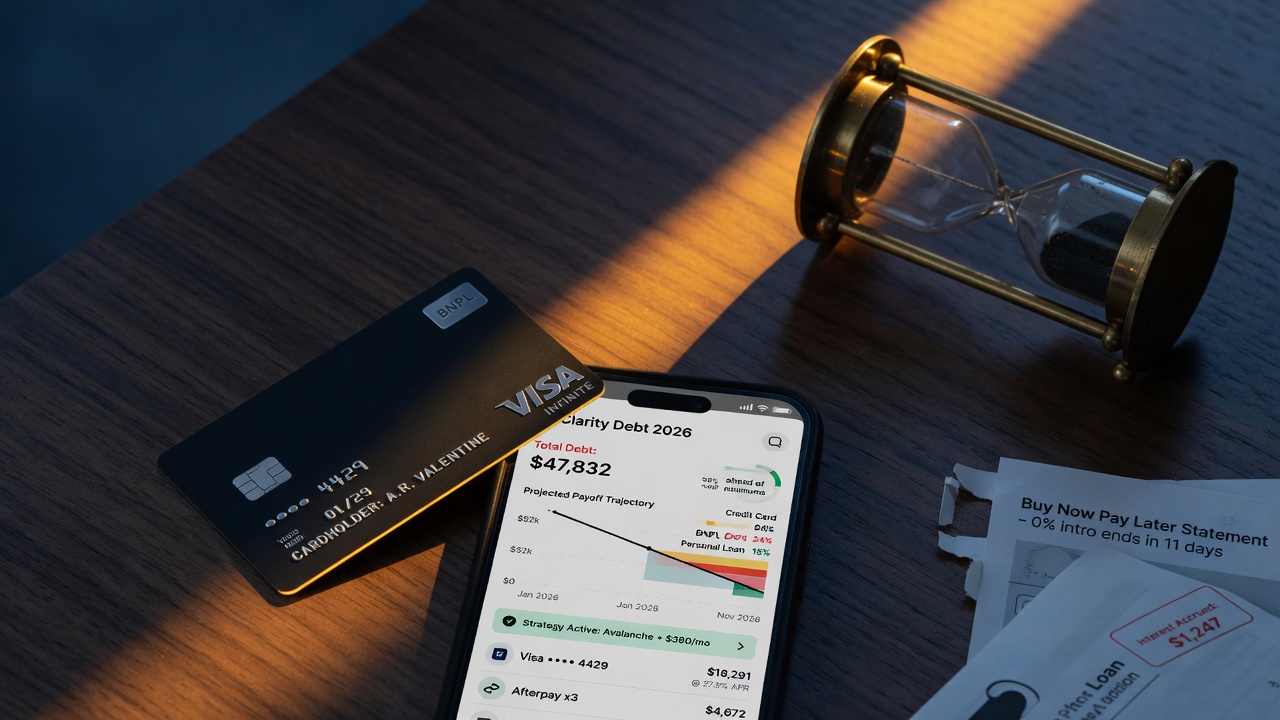
- Auto-Pay for Debt: Set up automatic payments for at least the minimum due on all your debts to protect your credit score. Then, manually or automatically add an extra “debt destroyer” payment toward the highest-interest balance.
- Subscription Audits: Use a free tool or a simple calendar reminder to review your recurring charges every three months. Cancel the streaming services, gym memberships, and app subscriptions you have not used in the last 30 days.
Redefining “Budgeting” for the Modern Era
Traditional budgeting involves tracking every single penny in a spreadsheet, which leads to burnout and abandonment. Modern personal finance favors “conscious spending” over micromanagement.
The Modern Fix: Adopt the “Reverse Budget.”
- Calculate your fixed, non-negotiable costs (rent, utilities, debt minimums).
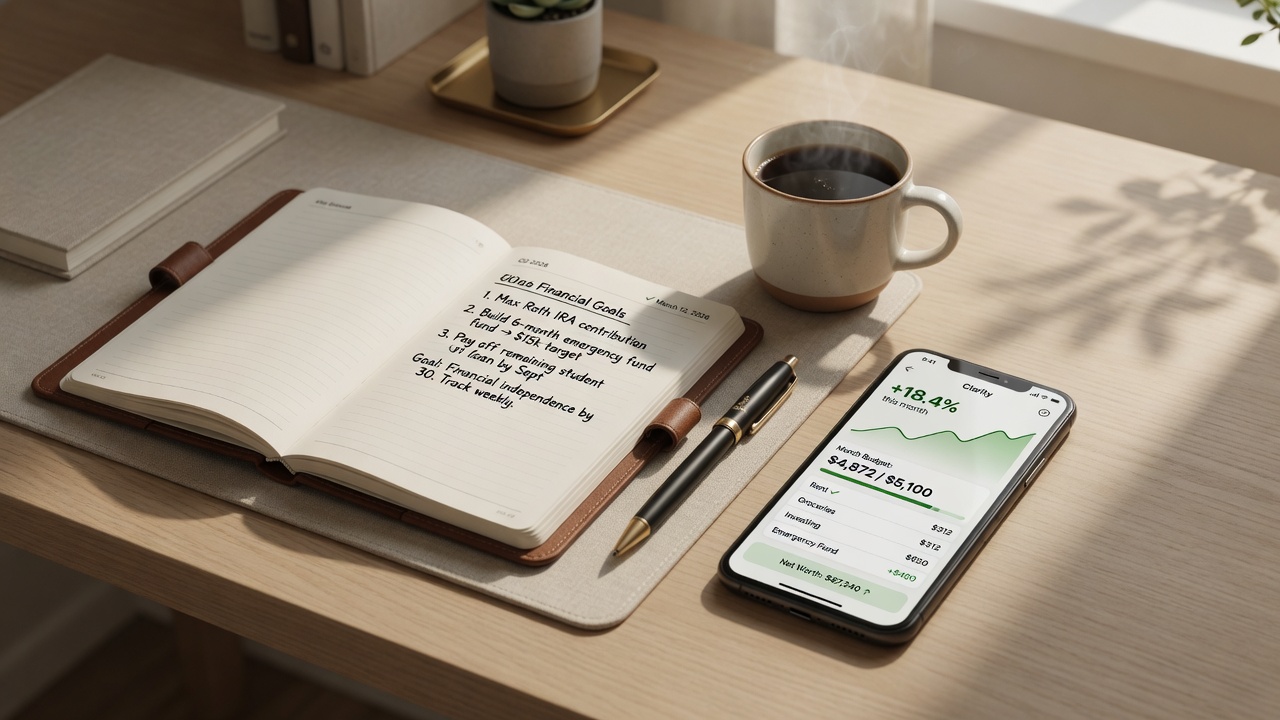
- Automate your financial goals (emergency fund contribution, retirement investing).
- Whatever is left over in your checking account is yours to spend guilt-free on dining out, hobbies, or entertainment.
By prioritizing your savings and obligations first, you remove the anxiety of tracking every coffee. You know your financial future is secure, so you can actually enjoy your money in the present.
Sources & References
- [7] Yahoo Finance / Market Analysis. (2026). The 2026 State of Savings in America: Only 35% to 37% of Americans have enough savings to comfortably cover a $1,000 emergency expense. Retrieved from finance.yahoo.com
- [17] Santander / Openbank Press. (2025/2026). Santander’s Openbank Celebrates First Year: Digital banks are offering market-leading high-yield savings account rates, often ten times higher than the national average. Retrieved from santanderus.com
- [23] RBC Royal Bank. (2026). What is Lifestyle Creep? Signs, Examples and How To Stop It: Lifestyle creep is the gradual increase in spending that can happen as income rises. Retrieved from rbcroyalbank.com
- [27] U.S. News & World Report. (2026). What Is ‘Lifestyle Creep’ and Should You Try to Avoid It? Inflation can accelerate lifestyle creep because it quickly eats away at any extra income you bring in. Retrieved from money.usnews.com
- [30] PocketGuard. (2026). Lifestyle Inflation Sneaks Up on You: Nearly 24% of individuals fall victim to lifestyle creep, where expenses increase alongside income, silently destroying long-term wealth building. Retrieved from pocketguard.com
The Bottom Line
Personal finance in 2026 is not about restricting your life to a spreadsheet. It is about designing a system that aligns with your values. By building a phased emergency fund, moving your cash to a high-yield savings account, actively defending your income against lifestyle creep, and automating your good habits, you take back control. You stop letting your money manage you, and start managing your money to build the life you want.