The Enduring Appeal of Old-School Gadgets: Why Vintage Tech Beats Modern Planned Obsolescence
Open the average modern smartphone, and you will find a sealed, unrepairable monolith of glued glass and proprietary screws. It is designed to be sleek, but it is also designed to be replaced. This is the era of planned obsolescence, where the lifespan of electronic goods is intentionally shortened, and the number of defective appliances replaced within the first few years continues to climb [[11]].
But step into the world of old-school gadgets, and you enter a different paradigm entirely.
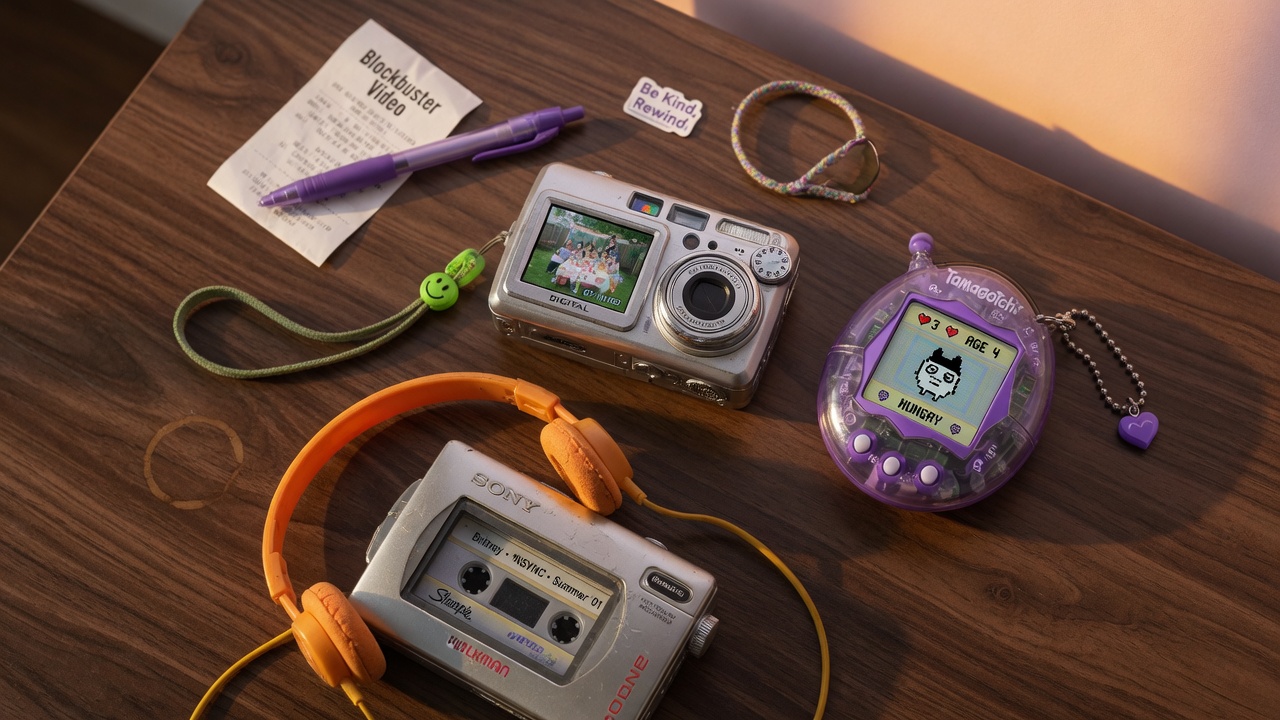
As we move through 2026, a powerful counter-movement is gaining momentum. Consumers, collectors, and even younger generations are actively rejecting the disposable tech cycle in favor of “old-school” gadgets. From early-2000s point-and-shoot digital cameras to 1990s virtual pets and classic portable audio players, these devices are experiencing a massive resurgence. They are not just surviving; they are thriving as functional tools, cultural artifacts, and highly lucrative collectibles.
This is not merely a passing retro fad. It is a direct response to the fatigue of subscription models, software bloat, and fragile modern hardware. Here is the data-backed reality of the old-school gadget market in 2026, and how you can safely navigate this nostalgic revival.
The CCD Camera Revival: Why Gen Z is Ditching Smartphones
Perhaps the most surprising tech trend of the mid-2020s is the explosive resurgence of vintage digital cameras. Specifically, compact “digicams” from the early 2000s equipped with CCD (Charge-Coupled Device) image sensors are staging a massive sales revival [[4]].
For years, these single-digit-megapixel cameras were considered obsolete, discarded in drawers as smartphone cameras surpassed them in resolution and convenience. However, Gen Z has spoken: phone cameras are out, and vintage digital cameras are in [[10]]. The reason lies in the aesthetic. CCD sensors process light differently than modern CMOS sensors, producing images with a distinct, film-like color science, natural grain, and a slight imperfection that highly polished, AI-enhanced smartphone photos lack.
This shift has created a fascinating economic dynamic. The consumer market for these vintage digital cameras now operates on a collision course between absolute inelastic supply (they are no longer being manufactured) and hyper-elastic, algorithmically driven demand from social media users [[2]]. As a result, perfectly functional vintage point-and-shoots that once sold for $10 at thrift stores are now routinely fetching hundreds of dollars on resale platforms [[5]].
The Collector’s Takeaway: If you are hunting for a vintage digicam, look for iconic models from Canon (PowerShot S-series), Sony (Cyber-shot), or Olympus. Ensure the lens extends and retracts smoothly, and verify that the memory card slot accepts modern, high-capacity SD cards (many older cameras only take proprietary or obsolete formats like Memory Stick, which can be a costly hassle).
Built to Last: The Myth of Modern Durability vs. Vintage Engineering
One of the primary drivers behind the old-school gadget movement is a growing frustration with modern planned obsolescence. Planned obsolescence is a business strategy where companies deliberately design products with shorter lifespans, limited functionality, or a ticking clock on their usefulness to force repeat purchases [[17]].
Modern gadgets are plagued by this. Batteries are glued in place, software updates intentionally slow down older hardware, and repair manuals are kept strictly proprietary [[13]]. In contrast, old-school gadgets from the 1980s, 90s, and early 2000s were largely built to a different standard. They featured standard, replaceable batteries (like AA or AAA), modular components, and mechanical switches that could endure hundreds of thousands of presses.
Older tech largely avoids the common modern pitfalls of discontinued apps, mandatory subscription fees, and forced firmware updates that brick devices [[14]]. A vintage cassette Walkman or a mechanical film camera from 1995 requires no software update to function perfectly today. This “dumb tech” reliability is precisely what makes it so appealing in an era of constant digital friction.
The Nostalgia Premium: Iconic Gadgets as High-Value Collectibles
Beyond their functional appeal, certain old-school gadgets have crossed the threshold into serious collector territory. The nostalgia premium is real, and it is driving astonishing resale values for well-preserved childhood favorites.
Take the Tamagotchi, for example. Originally launched in 1997 as a $15 childhood gadget, the virtual pet is now making a massive comeback as it hits its 30th anniversary [[20]]. While common, used vintage units might still sell for a modest $5 to $30, the collector market for rare editions has skyrocketed [[21]]. Specialized variants like the “Devilgotchi” or limited-edition shell collaborations can routinely command between $300 and $500, with pristine, unopened examples fetching even higher prices at auction [[21]].
Similarly, original Apple iPods (particularly the classic click-wheel models), first-generation Nintendo Game Boys, and vintage mechanical calculators are seeing sustained demand. Collectors are no longer just looking for the device; they are looking for the complete “experience.” An old-school gadget in its original box, with the manual, original cables, and even the original receipt, will often sell for double or triple the price of a loose, unboxed unit.
How to Safely Collect and Maintain Old-School Gadgets in 2026
Entering the vintage tech market requires a shift in mindset. You are not buying a new product with a warranty; you are adopting a piece of history that requires care and maintenance. Here are the essential rules for collecting old-school gadgets without getting burned.
1. The Golden Rule: Remove the Batteries Immediately
The single greatest destroyer of vintage electronics is battery leakage. Alkaline batteries left inside a device for years will corrode, leaking potassium hydroxide that eats through metal battery contacts and destroys internal circuit boards.
Action: If you buy a vintage gadget, open the battery compartment immediately. If you see white, crusty residue, do not turn the device on. The corrosion must be carefully cleaned with isopropyl alcohol and a soft brush before any power is applied.
2. Beware the “Capacitor Plague”
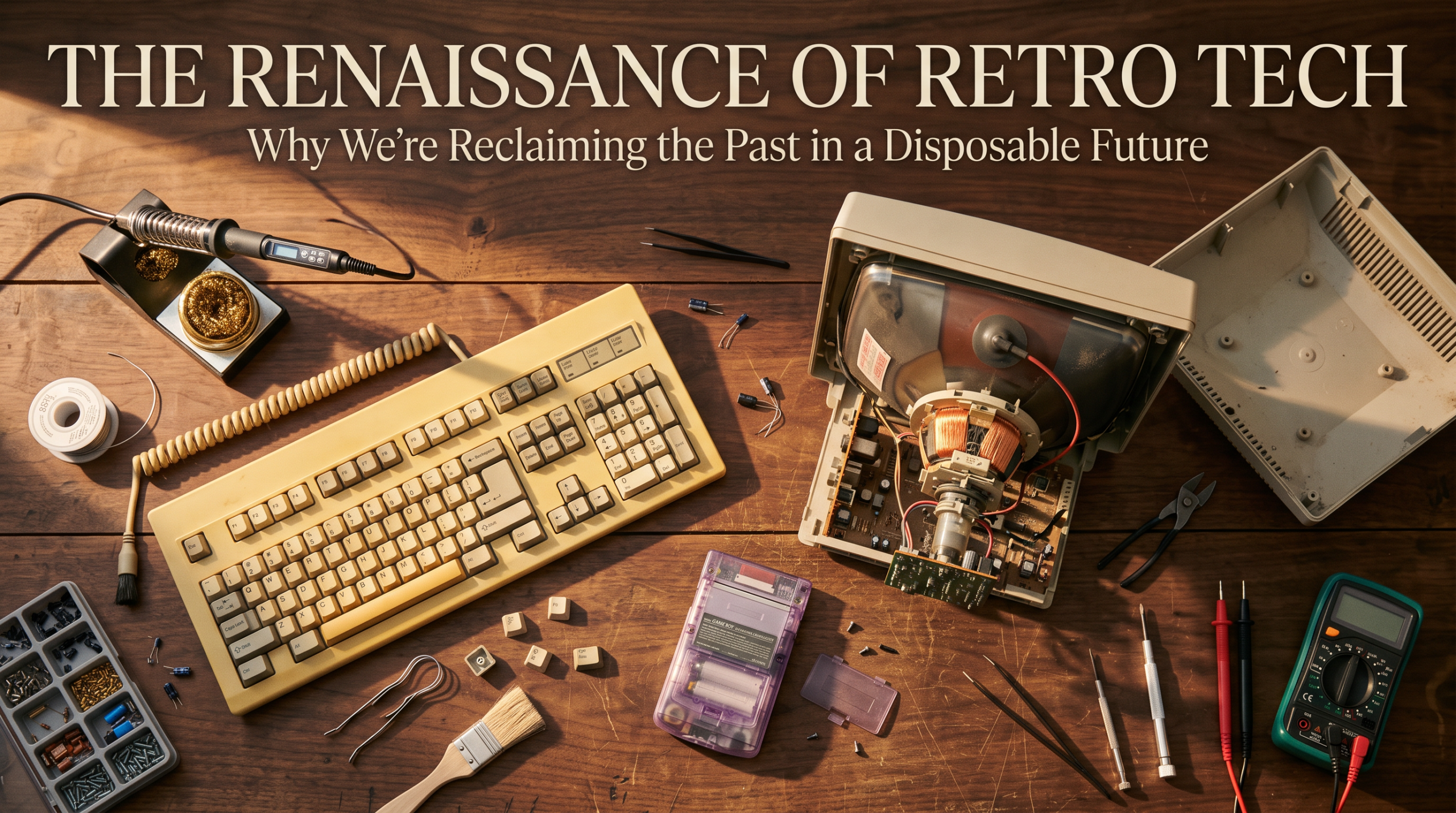
Many electronics from the late 1990s and early 2000s were built using electrolytic capacitors that were prone to premature failure. This is especially common in vintage computer motherboards, audio amplifiers, and older CRT monitors.
Action: If a vintage device powers on but behaves erratically (e.g., audio crackling, screen flickering, or failure to hold a charge), bad capacitors are the likely culprit. Fortunately, “recapping” (desoldering old capacitors and soldering in new ones) is a well-documented, relatively inexpensive repair that can bring a dead gadget back to life.
3. Verify Authenticity in a Market Flooded with Fakes
As prices for old-school gadgets rise, so does the incentive for counterfeiters. The market is now flooded with cheap, modern reproductions of classic items, particularly retro gaming handhelds and vintage audio equipment.
Action: Before purchasing a high-value item, research the specific “tells” of authenticity. Check the font and alignment of the printed text on the device, the weight of the plastic, and the specific screws used by the manufacturer. When in doubt, buy from reputable, specialized vintage dealers or platforms that offer buyer protection, rather than anonymous, unvetted marketplace listings.
4. Embrace the “Right to Repair” Community
One of the greatest advantages of old-school gadgets is that they were designed to be opened. Unlike modern devices, you can usually find a screwdriver that fits.
Action: Leverage the incredible knowledge base of the online repair community. Websites like iFixit, along with dedicated YouTube channels and subreddits for specific vintage tech, offer free, step-by-step teardown guides, troubleshooting tips, and sources for replacement parts (like new rubber keypad membranes for old Game Boys or replacement belts for cassette decks).
Sources & References
- [2] Wery.ai Research. (2025/2026). CCD Camera Retro Trend Research: The consumer market for vintage digital cameras operates on absolute inelastic supply colliding with hyper-elastic, algorithmically driven demand. Retrieved from wery.ai
- [4] Amateur Photographer / Industry Reports. (2025/2026). Digital cameras are staging a sales revival: Vintage digital cameras with CCD sensors are sought after for their creative, nostalgic look. Retrieved from amateurphotographer.com
- [5] Facebook / Market Trend Analysis. (2025/2026). Vintage Digital Camera Market Trends: Gen Z is driving a resurgence, with single-digit-megapixel point-and-shoots from the early 2000s selling for hundreds of dollars. Retrieved from facebook.com
- [10] KFYRtv / Consumer Trends. (2026). Vintage Digital Camera Revival: Gen Z has spoken, phone cameras are out, and vintage digital cameras are in. Retrieved from facebook.com/KFYRtv
- [11] Consumers International. (2018/2026). Built to fail: The lifespan of electronic goods is becoming shorter, with defective appliances replaced within five years increasing significantly. Retrieved from consumersinternational.org
- [13] Sierra Club. (2021/2026). Planned Obsolescence: What Is It and How to Overcome It: Determined largely by materials chosen, like phones with screens glued in place. Retrieved from sierraclub.org
- [14] Skylabs Iowa / Tech Commentary. (2026). Why vintage gear lasts: Older tech avoids common modern issues like planned obsolescence, discontinued apps, subscription fees, and firmware updates. Retrieved from facebook.com/skylabsiowa
- [17] TK Magazine. (2025/2026). Built To Break: The Business of Planned Obsolescence: Companies design products with shorter life spans or limited functionality to force replacement. Retrieved from tkmagazine.com
- [20] THV11 News. (2025/2026). The Tamagotchi is making a comeback as the virtual pet turns 30, bringing back the original speaker, screen, and games. Retrieved from facebook.com/thv11
- [21] Instagram / Collector Market Data. (2024/2026). Tamagotchi Collector Market: Most vintage units sell for $5-$300, while true rarities like the Devilgotchi run $300-$500 or higher. Retrieved from instagram.com
The Bottom Line
Old-school gadgets are more than just relics of a bygone era; they are a testament to a time when technology was built to serve us, not to trap us in a cycle of perpetual upgrades. Whether you are chasing the unique aesthetic of a CCD digital camera, the comforting beep of a Tamagotchi, or the tactile satisfaction of a mechanical keyboard, collecting vintage tech is a rewarding pursuit. By understanding the market, respecting the engineering, and maintaining your devices properly, you can preserve these pieces of history for decades to come.