The Renaissance of Retro Tech: Why We’re Reclaiming the Past in a Disposable Future
For the better part of the 21st century, the technology industry has operated on a single, unspoken mandate: build it sleek, seal it shut, and make sure it needs replacing in three years. We traded the satisfying mechanical click of a physical keyboard for seamless, unrepairable glass slabs. We swapped the tangible ownership of a music collection for ephemeral streaming subscriptions. Progress, we were told, meant leaving the past behind.
But in 2026, the pendulum has swung back.
We are witnessing a powerful, data-backed renaissance of retro technology. This is not merely a superficial aesthetic trend or a passing nostalgia trip. It is a profound cultural and economic pushback against planned obsolescence, digital fatigue, and the loss of technological autonomy. From the booming “Right to Repair” legislative movement to the resurgence of vintage computing, consumers are actively reclaiming the tools of the past to build a more sustainable, authentic, and controllable future.
Here is the definitive look at the forces driving the retro tech movement in 2026, and why the gadgets of yesterday are suddenly the most valuable tools for tomorrow.
The Right to Repair: A Legislative and Cultural Tipping Point
At the heart of the retro tech revival is a fundamental demand for ownership. When you buy a modern smartphone, you do not truly own it; you are merely licensing the right to use a sealed black box. If the battery degrades or the screen cracks, you are often forced to pay exorbitant fees to the manufacturer or buy a new device entirely.
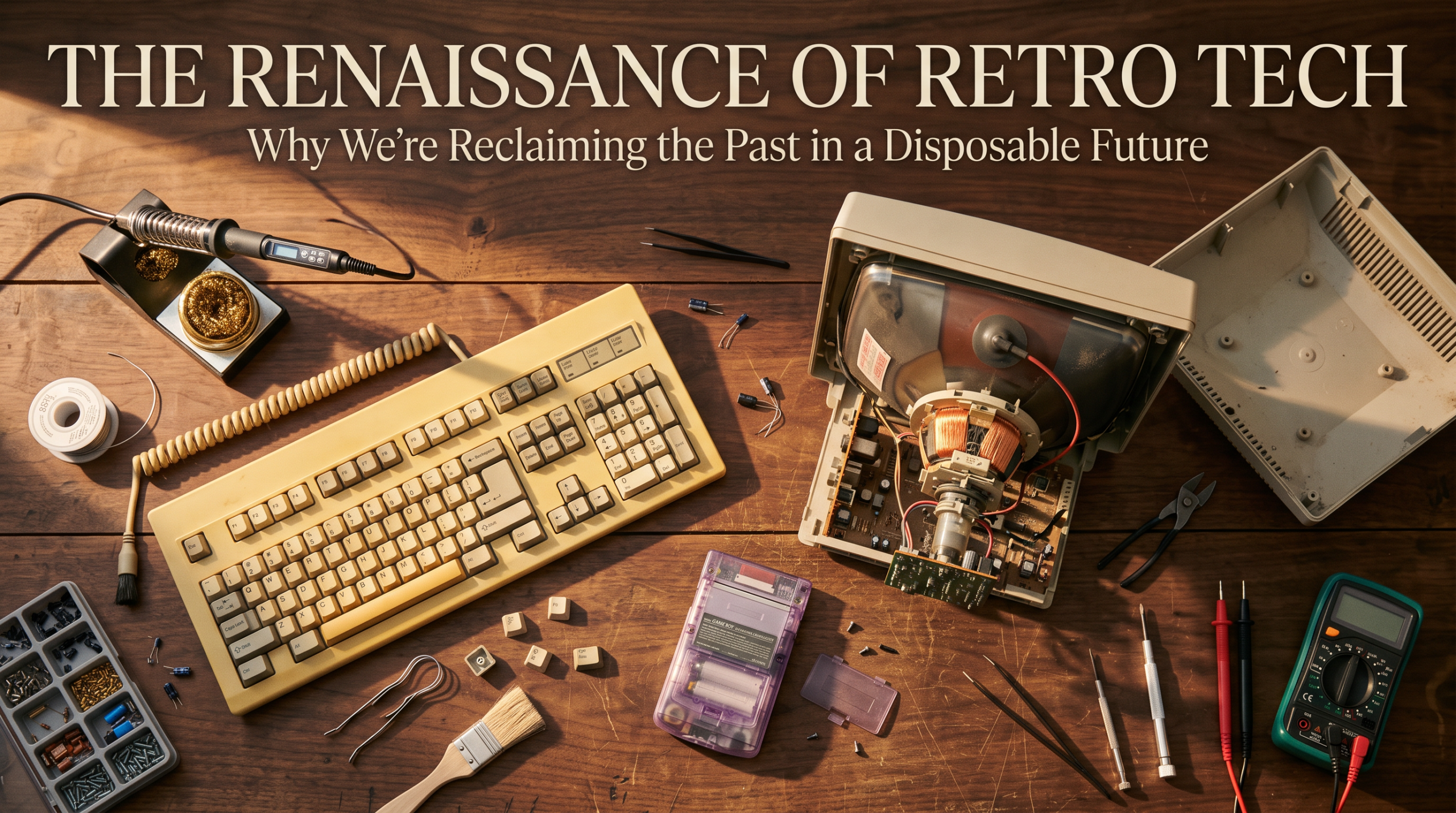
Retro technology, by contrast, was largely built to be opened, understood, and fixed. A 1990s desktop computer or a classic film camera features standard screws, modular components, and accessible schematics. This inherent repairability has fueled a massive political movement.
The “Right to Repair” is no longer a fringe activist demand; it is a mainstream legislative reality. According to a comprehensive analysis by the Public Interest Research Group (PIRG), all 50 U.S. states have now considered Right to Repair legislation, with several enacting some of the strongest consumer electronics repair laws in the world, taking full effect in 2025 and 2026 [[5]], [[8]]. At the federal level, bipartisan efforts like the REPAIR Act continue to gain momentum, aiming to mandate that manufacturers provide parts, tools, and documentation to independent repair shops and consumers [[4]].
This legislative shift is directly validating the retro tech ethos. Consumers are realizing that the ability to fix what you own is not just a matter of convenience; it is a critical component of environmental sustainability and economic freedom. By embracing older, repairable technology, or by demanding that new tech adopt the modular design principles of the past, consumers are voting with their wallets against the disposable tech cycle.
The Analog Rebellion: Gen Z, AI, and the Search for Authenticity
While older generations might embrace retro tech out of fond memories, a surprising demographic is driving much of the current momentum: Gen Z and younger Millennials.
Having grown up entirely within the hyper-connected, algorithm-driven digital ecosystem, younger consumers are experiencing a profound sense of “tech fatigue.” The rise of generative AI, deepfakes, and the constant, dopamine-driven feedback loops of social media have led to a growing disillusionment with the modern digital experience [[15]]. In response, young people are actively seeking out analog and retro technology as a form of digital detox and a quest for authenticity [[15]].
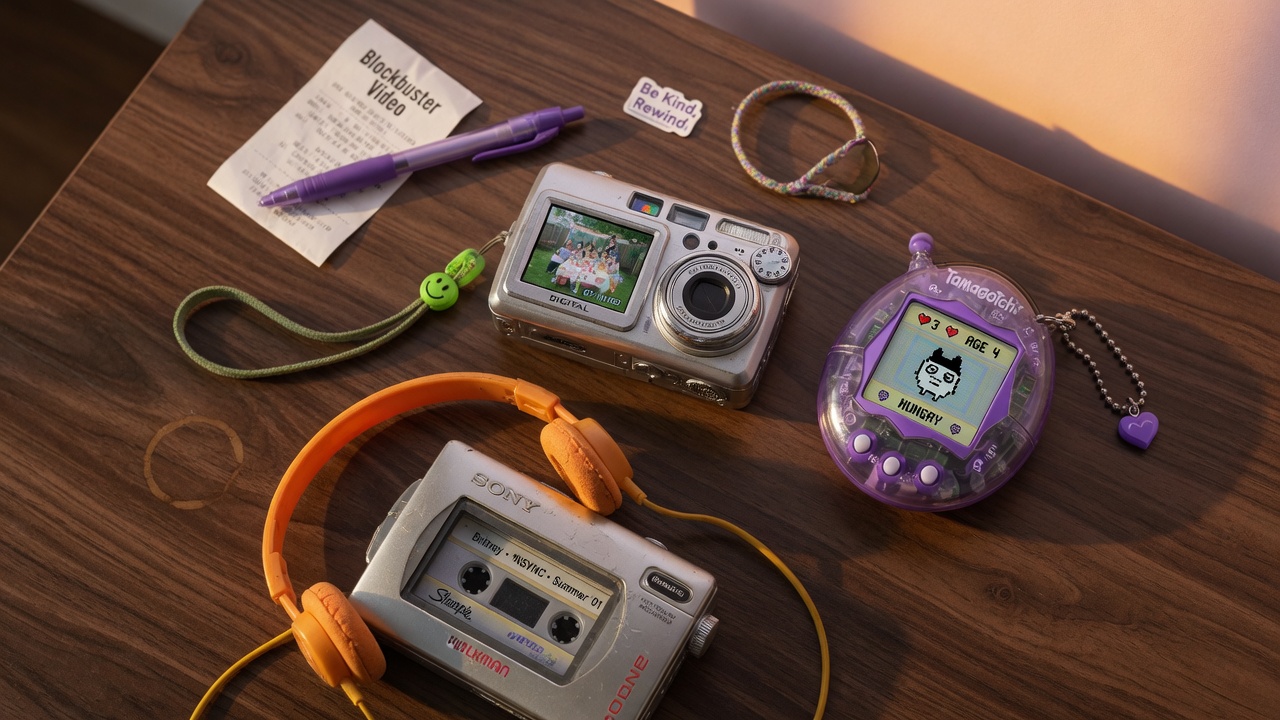
This “analog rebellion” manifests in several ways. We see the explosive resurgence of point-and-shoot digital cameras from the early 2000s, prized for their imperfect, “film-like” CCD sensors that stand in stark contrast to the hyper-polished, AI-enhanced photos of modern smartphones. We see a revival of physical media, with vinyl records, cassette tapes, and even floppy disks experiencing niche market growth as collectors and hobbyists seek tangible, offline experiences [[20]].
Academic research supports this cultural shift. Studies indicate that the culture surrounding retro technology actively encourages DIY repair and modification, practices that foster technical literacy, self-sufficiency, and a healthier, more intentional relationship with our devices [[11]]. For a generation that has been taught to be passive consumers of technology, retro tech offers the empowering ability to be an active creator and maintainer.
Vintage Computing and the Preservation of Digital History
Beyond individual gadgets, there is a growing, organized movement dedicated to the preservation of computing history. As software and hardware become increasingly proprietary and cloud-dependent, the risk of “digital dark ages”—where early software and games are lost forever due to server shutdowns or format obsolescence—is a very real threat.
The vintage computing community has stepped up to fill this void. Enthusiasts, museums, and archival projects are actively rescuing, restoring, and documenting early personal computers, arcade cabinets, and legacy software. This is not just a hobby; it is a vital form of cultural preservation.
The economic footprint of this preservation effort is surprisingly robust. Market analysis shows that niche sectors supporting vintage computing, such as the market for floppy disk liners and legacy storage media, are witnessing stable or growing demand as dedicated users seek reliable products to maintain their historical setups [[21]], [[28]]. Similarly, the market for refurbished or New Old Stock (NOS) CRT (Cathode Ray Tube) monitors is seeing a resurgence, driven by retro gaming enthusiasts and media artists who require the authentic, lag-free display characteristics that only original vintage hardware can provide [[25]], [[30]].
Events like the Vintage Computing Festivals, held globally, draw thousands of attendees who gather not just to buy and sell, but to share knowledge, troubleshoot rare hardware, and ensure that the foundational history of the digital age is not erased by the relentless march of “newness” [[24]].
3 Actionable Ways to Embrace Retro Tech Responsibly
You do not need to be a trained electrical engineer or a hardcore collector to participate in the retro tech renaissance. Here are three practical, accessible ways to integrate the principles of retro technology into your modern life.
1. Start with “Low-Stakes” Repair
You do not have to begin by recapping a 1980s motherboard. Start small to build your confidence and technical literacy.
Action: Purchase a cheap, broken vintage item from a thrift store or online marketplace—such as a classic mechanical keyboard, a vintage film camera, or a retro handheld gaming console. Use free, community-driven resources like iFixit or dedicated YouTube channels to guide you through the process of cleaning, replacing a simple component (like a battery contact or a rubber membrane), and bringing it back to life. The satisfaction of fixing something with your own hands is profoundly rewarding.
2. Curate a “Dumb Tech” Zone in Your Home
Constant connectivity is a primary driver of modern anxiety. Retro technology offers a natural boundary because it is inherently limited in its capabilities.
Action: Designate a specific area or time in your home for “dumb tech.” This could mean using a dedicated, standalone digital alarm clock instead of your phone, listening to music on a vintage CD player or turntable without internet connectivity, or keeping a physical film camera for weekend outings. By intentionally choosing technology that cannot notify you, check your email, or track your location, you reclaim your attention and create a genuine digital detox.
3. Support the Independent Repair Ecosystem
Every time you choose to repair a device rather than replace it, you cast a vote against planned obsolescence and the e-waste crisis.
Action: When your modern devices do break, actively seek out independent, local repair shops rather than defaulting to the manufacturer. Furthermore, advocate for Right to Repair by supporting organizations like The Repair Association or iFixit, and by purchasing from companies that publicly commit to modular design, long-term software support, and the availability of spare parts.
Sources & References
- [4] SEMA Association / Federal Legislation. (2026). Right to Repair Movement: The bipartisan REPAIR Act remains active at the federal level as states continue to pass supportive legislation. Retrieved from facebook.com/SEMA.org
- [5] PIRG / State Legislation. (2025/2026). Right To Repair: Strong Right to Repair laws for consumer electronics have taken effect, requiring manufacturers to provide parts and documentation. Retrieved from pirg.org
- [8] OWI / PIRG Analysis. (2025/2026). Right to Repair Movement: A comprehensive analysis shows all 50 states have at least considered right-to-repair laws to boost consumer protections. Retrieved from owi.com
- [11] Literariness Journal. (2026). Gen Z, AI, and the Search for Authenticity: The culture surrounding retro technology encourages DIY repair and modification, fostering technical literacy and self-sufficiency. Retrieved from literarinessjournal.org
- [15] Insider / Cultural Trends. (2025/2026). Analog Rebellion: Gen Z and millennials are finding comfort in analog and retro technology as a form of digital detoxing amid AI disillusionment. Retrieved from facebook.com/insider
- [20] Market Research Future. (2025/2026). Floppy Disk Liner Market: The market is witnessing a revival driven by nostalgia for retro technology, with collectors seeking vintage supplies. Retrieved from marketresearchfuture.com
- [21] Future Market Insights. (2025/2026). Vintage Computing Supplies: Niche markets for legacy computing accessories hold steady demand driven by retro computing hobbyists. Retrieved from futuremarketinsights.com
- [24] Vintage Computing Festival. (2025/2026). Community Preservation: Global vintage computing festivals draw thousands to share knowledge, troubleshoot hardware, and preserve digital history. Retrieved from facebook.com/groups/vintagecomputing
- [25] Market Trends Analysis. (2026). CRT Monitor Market Report: Growing niche demand for retro gaming and vintage computing enthusiasts is driving a specialized market for authentic display hardware. Retrieved from markettrendsanalysis.com
- [28] HTF Market Report. (2025/2026). Floppy Disk Market: A dedicated niche market remains active among vintage computing enthusiasts who maintain and restore legacy systems. Retrieved from htfmarketreport.com
- [30] Verified Market Reports. (2026). Monochrome Cathode Ray Tube Market: The cultural and technological revival of vintage computing and media art is creating sustained demand for authentic retro hardware. Retrieved from verifiedmarketreports.com
The Bottom Line
The renaissance of retro tech is not about living in the past; it is about learning from it. It is a rejection of the idea that technology must be disposable, opaque, and controlling. By embracing the repairability of older devices, seeking the authenticity of analog experiences, and actively preserving our digital heritage, we can forge a healthier, more sustainable relationship with the tools that shape our lives. In a world obsessed with the next big thing, sometimes the most radical act is to pick up a screwdriver and fix the old one.