The Entity Era: Modern Marketing and SEO Strategies That Actually Work in 2026
For over a decade, the foundational rule of Search Engine Optimization (SEO) was simple: find the right keywords, stuff them naturally into your content, build some backlinks, and wait for the rankings to climb. It was a game of matching strings of text.
That game is over.
As we navigate 2026, search engines no longer just read words; they understand concepts, relationships, and context. Google’s algorithms have evolved to recognize your brand not as a collection of web pages, but as a distinct “entity” within a massive, interconnected knowledge graph. Simultaneously, the rise of AI-generated search overviews has fundamentally altered how users interact with search results, pushing traditional organic links further down the page.
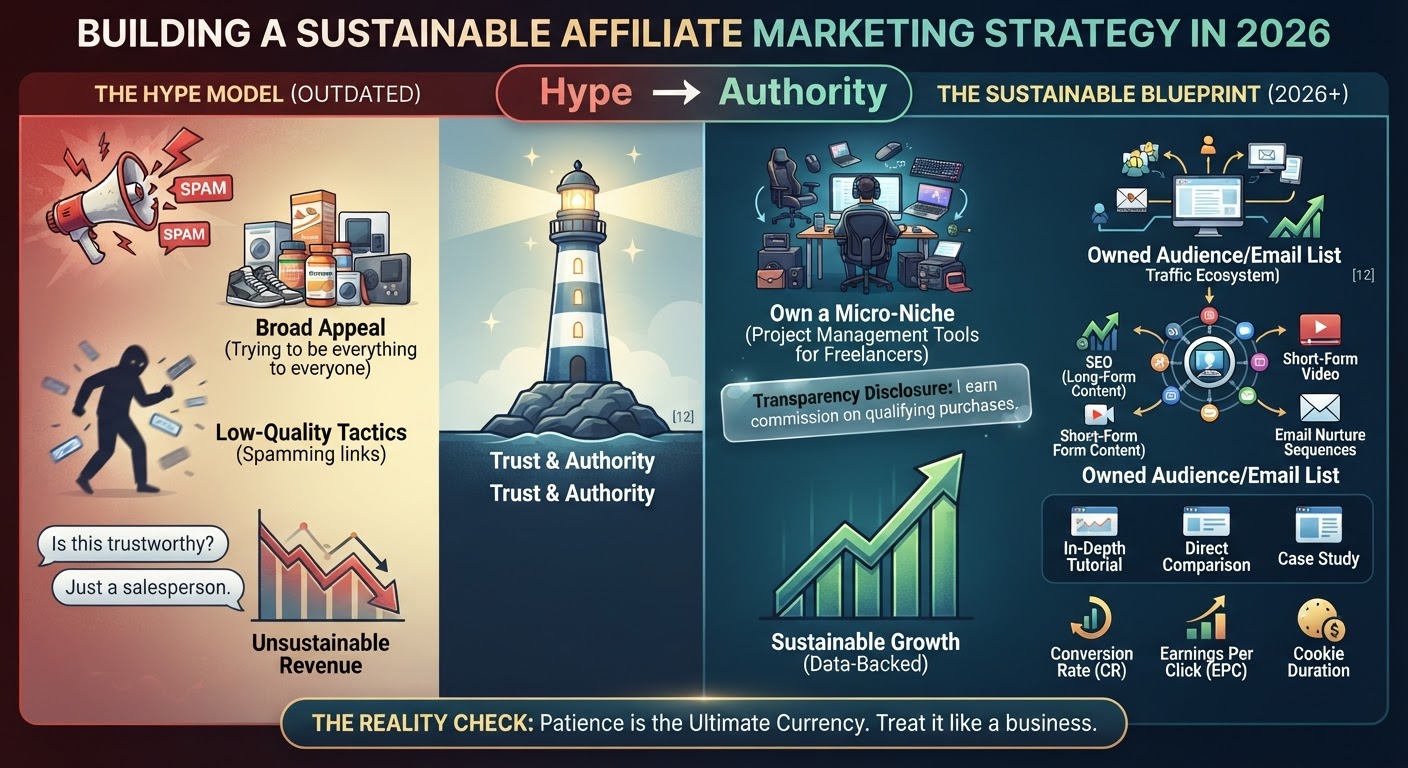
If your marketing strategy is still rooted in 2018 tactics, you are fighting a losing battle against algorithms designed to reward genuine authority and seamless user experiences. The winners in 2026 are those who have shifted from chasing keywords to building topical authority, and from running siloed campaigns to orchestrating true omnichannel experiences. Here is the data-backed blueprint for modern marketing and SEO.
1. The Shift to Entity-Based SEO
Traditional SEO focused on “keyword density.” Modern SEO focuses on “entity recognition.” An entity is a distinct, identifiable concept, person, place, or thing (like “Apple” the company, not just the fruit). Search engines now map the relationships between these entities to understand the true intent and context behind a user’s query.
By 2026, entity-based SEO has become the standard for achieving sustainable visibility. Google understands your business as a collection of attributes, not just isolated keyword strings [[11]]. When you optimize for entities, you are teaching the search engine exactly who you are, what you do, and how you relate to other established authorities in your industry.
The Fix:
- Build Topical Authority: Instead of writing one-off articles targeting random long-tail keywords, create comprehensive “content hubs” or “pillar pages” that exhaustively cover a specific topic. Link these pages together to signal to search engines that you are a definitive source on that subject.
- Implement Advanced Schema Markup: Structured data is the language of entity SEO. Use JSON-LD schema to explicitly tell search engines about your organization, your authors, your products, and your FAQs. This machine-readable context is critical for appearing in rich snippets and AI-generated search overviews [[20]].
- Optimize Your Knowledge Graph Presence: Ensure your Name, Address, and Phone number (NAP) are perfectly consistent across your website, Google Business Profile, and major industry directories. This consistency validates your entity’s existence and builds algorithmic trust.
2. Surviving the “Zero-Click” Reality of AI Overviews
The integration of AI Overviews (formerly Search Generative Experience) at the top of search results has sparked panic in the SEO community. The fear is that if the AI answers the user’s question directly, no one will click through to your website. The data validates this concern: nearly 60% of searches now result in zero clicks, as users find their answers directly on the search engine results page (SERP) [[2]].
However, this does not mean SEO is dead; it means the type of content that earns clicks has changed. AI Overviews are excellent at summarizing basic, factual information (e.g., “What is the capital of France?”). They are terrible at providing unique, experience-based insights, contrarian opinions, or proprietary data.
The Fix: Pivot your content strategy toward “Information Gain.”
- Publish Original Research: AI cannot scrape data that doesn’t exist yet. Conduct surveys, analyze your internal customer data, and publish unique industry reports. When the AI summarizes your original data, it will cite you as the source, driving high-intent, authoritative traffic.
- Double Down on E-E-A-T: Experience, Expertise, Authoritativeness, and Trustworthiness are your ultimate moats. Ensure every piece of content is attributed to a real, credentialed human expert. Include original photos, case studies, and first-person narratives that an AI simply cannot fabricate convincingly.
- Optimize for “Brand + Query” Searches: As generic informational traffic declines, branded search becomes your most valuable asset. Build a strong brand identity off-site (through podcasts, PR, and social media) so that when users have a complex problem, they search for your brand name specifically, bypassing the generic AI overview entirely.
3. Omnichannel Marketing: The Death of the Silo
Running a Facebook ad, sending an email newsletter, and publishing a blog post does not make you an omnichannel marketer. That is just “multichannel” marketing—a scattered approach where each channel operates in a vacuum, often competing for the same customer attention with disjointed messaging.
True omnichannel marketing orchestrates a seamless, unified customer journey across every touchpoint. The financial incentive to get this right is massive. Companies with strong omnichannel customer engagement strategies retain, on average, 89% of their customers, compared to a mere 33% retention rate for companies with weak omnichannel strategies [[27]]. Furthermore, siloed customer data can reduce overall marketing ROI by 20% to 30% due to wasted ad spend and fragmented messaging [[22]].
The Fix: Break down the data walls within your organization.
- Implement a Customer Data Platform (CDP):**> A CDP unifies data from your website, CRM, email provider, and ad platforms into a single, coherent customer profile. This allows you to see the entire journey, not just the last click.
- Adopt Multi-Touch Attribution: Stop giving 100% of the credit to the last Google Ads click before a purchase. Use data-driven attribution models to understand how your organic blog posts, social media engagement, and email nurturing all contributed to the final conversion.
- Personalize at Scale: Use your unified data to deliver contextually relevant messages. If a user abandons a cart after reading a specific blog post, your retargeting ad and follow-up email should reference that exact topic, creating a cohesive, helpful experience rather than a generic sales pitch.
4. The Rise of Video and Visual Search
Text is no longer the only medium search engines crawl. With the explosive growth of platforms like TikTok and YouTube as primary search engines for Gen Z and Millennials, video content has become a critical SEO vector. Furthermore, advancements in computer vision mean that Google Lens and visual search technologies can now identify products, landmarks, and text within images with startling accuracy.
The Fix:
- Optimize Video for Search: Treat your YouTube channel like a search engine. Use keyword-rich titles, detailed descriptions with timestamps (chapters), and custom thumbnails. Embed these videos into your relevant blog posts to increase dwell time and provide a richer user experience.
- Optimize Images for Visual Search: Stop using generic stock photos with file names like “IMG_4920.jpg”. Use descriptive, keyword-rich file names, compress images for speed, and always include detailed, context-rich alt text. This ensures your visual assets can be discovered through both traditional image search and AI-powered visual recognition.
Sources & References
- [2] GoodFirms. (2026). AI SEO Statistics 2026: Zero-Click Search accounts for nearly 60% of searches as AI Overviews provide direct answers. Retrieved from goodfirms.co
- [11] CS Design Studios. (2026). Is SEO Dead or Evolving? 2026 Reality Check: Entity-based SEO becomes standard as Google understands your business as a collection of attributes. Retrieved from csdesignstudios.com
- [20] Aztek Web. (2026). The Entity Era of SEO: Building Trust in an Age of AI Overviews through structured data and machine-readable context. Retrieved from aztekweb.com
- [22] Revenue Memo. (2026). Omnichannel marketing statistics for 2026: Siloed customer data can reduce marketing ROI by 20–30%. Retrieved from revenuememo.com
- [27] Porch Group Media. (2026). 25 Amazing Omnichannel Statistics for Marketers: Strong omnichannel strategies yield 89% customer retention vs. 33% for weak strategies. Retrieved from porchgroupmedia.com
The Bottom Line
Marketing and SEO in 2026 are not about tricking an algorithm or shouting the loudest on a single platform. They are about building a recognizable, trustworthy entity, providing unique value that AI cannot replicate, and orchestrating a seamless, data-informed journey for your customers across every channel. Embrace the complexity, focus on the human element, and your digital presence will not just survive the AI era—it will dominate it.