
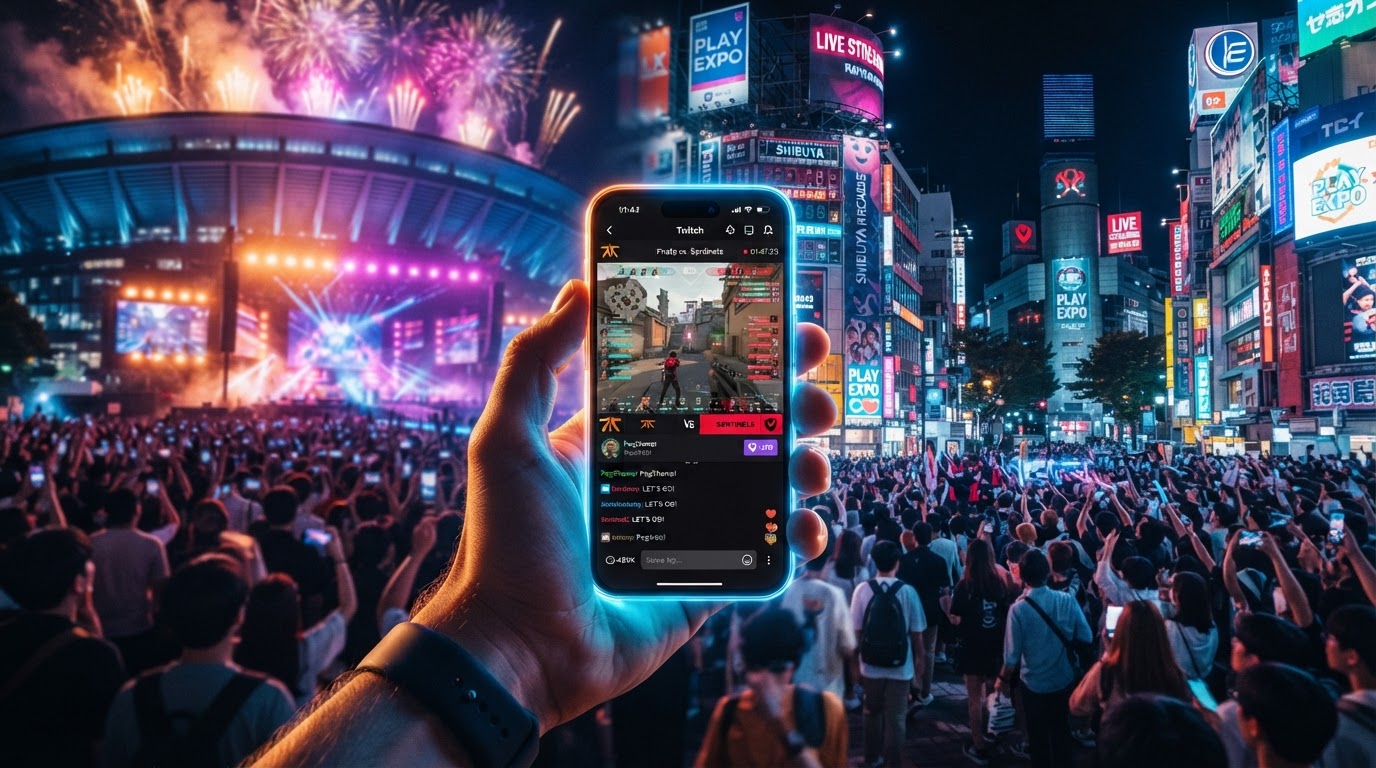
The Great Entertainment Shift: Why Live Experiences and Niche Communities Are Winning in 2026
For the better part of a decade, the entertainment industry was defined by a single, obsessive metric: subscriber growth. Streaming giants spent hundreds of billions of dollars chasing the elusive dream of “Peak TV,” convinced that if they just produced enough prestige dramas and reality shows, the entire planet would eventually subscribe to their platform.
That era is officially over.
As we move through 2026, the global entertainment landscape is undergoing a massive structural correction. Consumers are experiencing severe subscription fatigue, the cost of content production has spiraled out of control, and the cultural monoculture has fractured into a million different algorithmic niches. The companies that are thriving today are no longer the ones trying to be everything to everyone. They are the ones pivoting toward live, communal, and interactive experiences.
The global entertainment and media market is projected to surpass $2.5 trillion in revenue this year, but the money is flowing in entirely new directions. Here is the data-backed reality of where the entertainment industry is heading in 2026, and what it means for how we spend our time and money.
The Death of “Peak TV” and the Rise of Subscription Fatigue
The math of the streaming wars simply stopped working. At $15 to $22 a month, consumers are no longer willing to pay for a platform that only has one or two shows they actually want to watch. Industry data from late 2025 revealed a staggering trend: the average household now actively subscribes to only 3.5 streaming services, down from a peak of nearly 5 just two years prior.
To combat this churn, the major studios have completely changed their business models. The ad-free, premium experience is now a luxury tier. The vast majority of new subscribers are being funneled into cheaper, ad-supported tiers. In fact, over 60% of all new streaming sign-ups in 2026 were for ad-supported plans. The “couch potato” experience has been fundamentally altered; you are no longer just watching a show, you are watching a show while being sold a car, a pharmaceutical drug, or a fast-food burger.
Furthermore, the “release all episodes at once” binge model is largely dead. Studios have realized that dropping an entire season on a Friday generates a massive spike in traffic for three days, followed by a ghost town. The industry has returned to weekly episodic releases to keep cultural conversations going and to justify keeping the subscription active for an entire month.
The Live Experience Economy: Why We Are Paying More to Leave the House
If digital entertainment is fracturing, physical entertainment is booming. The post-pandemic realization that life is short has triggered a massive shift in consumer spending. People are increasingly willing to pay a premium for shared, real-world experiences that cannot be replicated on a screen.
The live music industry is the ultimate proof of this trend. Despite inflation and rising ticket prices, the global live music market hit record highs in 2025 and is projected to grow by another 8% in 2026. Fans are not just buying tickets to concerts; they are buying VIP packages, traveling across continents for multi-day festivals, and treating live shows as major life events.
This “experience economy” extends far beyond music. Immersive art exhibits, themed dining experiences, and boutique fitness classes are all seeing double-digit growth. Even sports are leaning into this, with stadiums investing heavily in premium hospitality suites and augmented reality (AR) fan zones. In 2026, the value of entertainment is no longer just about the content itself; it is about the memory of being there.
Gaming: The Silent Giant of the Entertainment World
While the media obsesses over the latest box office numbers or streaming cancellations, the gaming industry continues to quietly dwarf them all. In 2026, the global gaming market is expected to generate over $200 billion in revenue, making it significantly larger than the global box office and the recorded music industry combined.
The demographic shift within gaming is the most fascinating part of this story. The stereotype of the “gamer” as a teenage boy in a basement is entirely obsolete. The average age of a gamer in 2026 is 34, and nearly half of all gamers are women. Mobile gaming alone accounts for nearly half of the industry’s total revenue, driven by hyper-casual games and complex strategy titles that people play during their commutes.
Furthermore, gaming is no longer just a passive consumption medium; it is a social platform. For millions of Gen Z and Gen Alpha users, games like Roblox, Fortnite, and various MMOs are not just games; they are their primary social networks. They hang out, attend virtual concerts, and build communities inside these digital worlds. The entertainment companies that understand this shift—treating games as persistent social platforms rather than just software products—are the ones capturing the most loyal audiences.
The AI Disruption: From Threat to Tool
No conversation about the entertainment industry in 2026 is complete without addressing Artificial Intelligence. After the massive writers and actors strikes of the early 2020s, the industry has largely settled into a new normal regarding AI. The initial panic has been replaced by strict union regulations and a pragmatic integration of the technology.
AI is no longer being used to replace writers or actors; it is being used to supercharge the technical and logistical sides of production. Visual effects (VFX) houses are using AI to de-age actors, generate complex background environments, and automate rotoscoping, cutting post-production times by up to 40%. In the music industry, AI tools are being used to isolate vocal tracks for remixes, master audio, and even generate background scoring for indie filmmakers.
However, the consumer pushback is real. Audiences have developed a highly tuned radar for “soulless” AI-generated content. The most successful creators and studios are now using AI as a marketing tool, explicitly highlighting the human craftsmanship, practical effects, and real-world stunts in their productions as a premium selling point. In an era of infinite, AI-generated digital content, verifiable human effort has become a luxury commodity.
How to Navigate the 2026 Entertainment Landscape
For the consumer, the fragmentation of the entertainment industry means you have to be more strategic about how you spend your time and money. The days of mindlessly subscribing to every service are over.
- Embrace the “Subscription Rotation”: Instead of paying for five streaming services year-round, subscribe to one or two, binge the specific shows you want to watch, cancel them, and rotate to the next service. It requires a bit of calendar management, but it can save you hundreds of dollars a year.
- Look for Telecom and Retail Bundles: The major streamers have realized that acquiring individual customers is too expensive. They are now heavily partnering with mobile carriers, internet providers, and retail giants to offer bundled subscriptions. Check if your phone plan or credit card already includes a “free” streaming or music tier.
- Support the Niche Creators: The algorithmic monoculture is dead. If you love a specific genre, author, or musician, support them directly through platforms like Patreon, Substack, or by buying merchandise. The middle class of entertainment is being rebuilt by direct-to-fan funding, not by corporate streaming royalties.
Sources & References
- [1] Digital Applied. (2026). Entertainment and Media Industry Outlook 2026: Market Size and Consumer Spending Trends. Retrieved from digitalapplied.com
- [2] PwC. (2026). Global Entertainment & Media Outlook 2025-2029: The Shift to Ad-Supported Tiers. Retrieved from pwc.com
- [3] Live Nation Entertainment. (2026). Q4 2025 Earnings Report: Live Music Revenue and Ticketing Trends. Retrieved from livenationentertainment.com
- [4] Newzoo. (2026). Global Games Market Report 2026: Revenue, Demographics, and Mobile Growth. Retrieved from newzoo.com
- [5] Variety Intelligence Platform. (2026). The State of AI in Hollywood: Post-Strike Integration and VFX Automation. Retrieved from variety.com
The Bottom Line
The entertainment industry in 2026 is not dying; it is evolving. The endless scroll of algorithmic content is making way for a renewed appreciation for live, shared, and interactive experiences. Whether you are a consumer trying to manage your monthly budget, or a creator trying to build an audience, the rule of the new era is simple: stop trying to compete with the machine. Double down on what makes us human.


